hi, i'm Nicola. my mentor through all of this is my dad, John Kefalianos. he's a mortgage broker, he's been doing this for over a decade, and he's helped more than 130 Australian families settle into a home. so instead of guessing my way through it like most of us do, i started asking him every question on the record.
this page is the map of the whole thing. it's the plain-english first home buyer guide i wish someone had handed me when i started. no jargon, no banks defending banks, just the order it actually happens in. you don't have to read it all at once. start where you are.
one thing up front
nothing here is personal advice. it's general information to help you understand how the pieces fit. your situation is yours, and the schemes and rules change, so always check the current rules and talk to someone about your own numbers before you commit.
where to start as a first home buyer
start by working out two numbers: how much you can save, and how much you might be able to borrow. everything else follows from those two.
that's the whole secret, and it's the thing nobody told me. i spent months scrolling realestate.com.au at houses i had no idea whether i could afford. it felt like research. it wasn't. the buying process isn't a single leap, it's a sequence, and the people who get stuck are almost always the ones who do it out of order.
the eight steps, in order
work out how much deposit you need
most lenders look for a deposit, and a common starting point people aim for is around 20% of the price, though some buyers may get in with as little as 5%. there's no single fixed number. your deposit also affects whether you pay lenders mortgage insurance (LMI).
understand the grants and schemes you may be able to use
there are government schemes that may help eligible first home buyers: a federal low-deposit scheme, the First Home Super Saver scheme, Help to Buy, the First Home Owner Grant, and stamp duty concessions. whether you qualify, and how much they're worth, depends on where you're buying and your own circumstances.
find out how much you could borrow
how much you could borrow depends mainly on your income, your existing debts and expenses, your deposit, and the lender's own assessment. it is not a single number, and different lenders may land on different figures for the same person.
get your finance sorted before you shop
most buyers are in a stronger position with finance pre-approval before they make serious offers. pre-approval is an indication from a lender, not a final yes, and it usually comes with conditions and an expiry. get the money clear, then go looking.
search, inspect and choose a property
turn a vague wish list into a shortlist you can act on: know your non-negotiables, search well, and inspect properly so you don't get caught by surprises. i think of it as wants, needs and won'ts.
make an offer or bid at auction
you either make an offer (in a private treaty sale) or bid for it (at auction). they work quite differently. at auction there is generally no cooling-off period and your bid isn't subject to finance, so sort your finance and checks first.
handle contracts, cooling off and going unconditional
sign the contract of sale, work through any cooling-off period, and meet your conditions so the contract becomes unconditional. this is the point where you want a conveyancer or solicitor reading the contract before you sign, not after.
get to settlement and pick up the keys
settlement is the final step: the money changes hands, the property is legally transferred to you, and you get the keys. a conveyancer or solicitor does most of the heavy lifting to get you there.
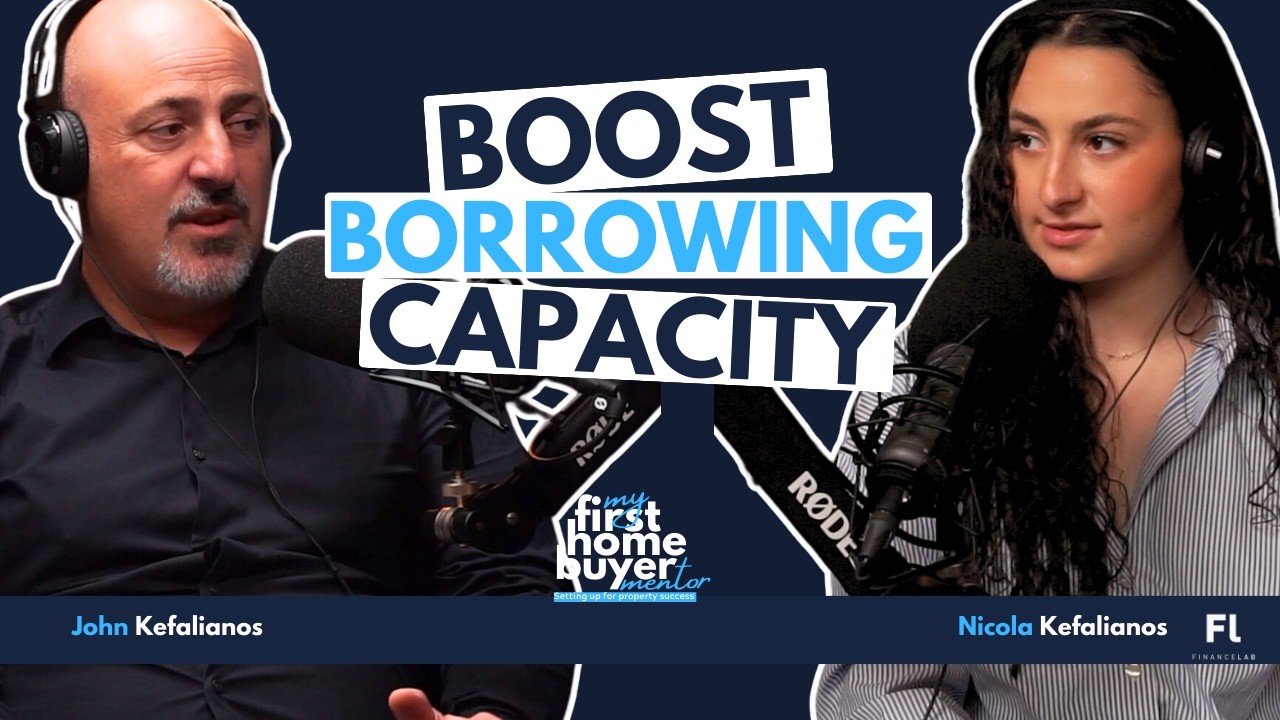
watch: how much can i borrow, the episode that helped me work out the second of those two numbers.
should you buy established or build new?
one of the biggest forks in the road is whether to buy an established home or build a new one. there's no single right answer, because it depends on your budget, your timeline, your patience and what help you might qualify for.
an established home is there, you can walk through it, and you usually move in faster. building can mean a brand-new home built how you want it, and in some cases new builds open up grants that established homes don't. but it takes longer, the costs can shift, and there's more to manage. if this is your fork, the deep page is building vs buying.
first home buyer mistakes to avoid
most first home buyer mistakes aren't dramatic. they're small, common slips that cost time or money, and almost all of them come from doing things out of order or skipping the boring parts. here are the ones that come up again and again:
- house-hunting before you know your budget. it feels productive. it isn't.
- treating pre-approval as final approval. it's conditional and it expires.
- forgetting the costs on top of the price. the deeper page on what it costs to buy a first home lays them out plainly.
- skipping the building and pest inspection to save a few hundred dollars.
- not reading the contract before signing. get a conveyancer or solicitor across it first.
- assuming a scheme or grant applies to you without checking. eligibility and amounts change, and they differ by state.
first home buyer checklist (free download)
work through it, don't just read it
the same eight steps as this guide, turned into tick-boxes: documents to gather, questions to ask a broker, what to check at an open home, and the costs to budget for. free.
talk to someone about your own numbers
everything on this page is general information to help you understand how buying your first home fits together. it is not personal advice, and it can't be, because i don't know your income, your savings, your goals or where you're buying.
when you're ready to turn the general picture into your numbers, the next step is a conversation with someone licensed who can look at your situation properly. the team at Finance Lab works with first home buyers across Australia. there's no promise of an outcome here, just a real assessment of your own position.
common questions about buying a first home
how do i buy my first home in australia?
work through it as a sequence, not one leap. start by working out your deposit and how much you might borrow, then understand the grants and schemes you may qualify for, get finance pre-approval, search and inspect properties, make an offer or bid at auction, handle the contract and cooling-off, and finish at settlement when you get the keys.
what are the steps to buying a first home?
there are eight: work out your deposit; understand the grants and schemes you may be able to use; find out how much you could borrow; get finance pre-approval before you shop; search, inspect and choose a property; make an offer or bid at auction; handle contracts, cooling-off and going unconditional; and reach settlement to collect the keys. doing them in order is what keeps you out of trouble.
how much money do i need to buy my first home?
it depends on the property price, the lender and your situation. a common starting point people aim for is around 20% of the price, though some eligible buyers may get in with as little as 5%. you also need to budget for costs on top, like stamp duty, conveyancing and inspections. there's no single fixed number, check your own figures with a licensed broker or lender.
what order should i do things in as a first home buyer?
money first, house second. work out your deposit and borrowing picture, then sort finance pre-approval, and only then start seriously searching. people who get stuck usually do it backwards, falling for a house before they know their budget.
do i need a deposit before i talk to a broker?
not necessarily. you can talk to a broker while you're still saving, they can help you understand your likely borrowing position, what deposit you may need, and which schemes might apply. starting the conversation early often helps you set a clearer savings target. this is general information only; a licensed broker can look at your own situation.
how long does it take to buy a first home?
it varies a lot. saving a deposit can take months or years, while the buying process itself, from serious searching to settlement, often runs over several months. after your contract goes unconditional, settlement is commonly around six weeks, but it depends on your contract and state. there's no fixed timeline, so treat any estimate as a guide only.
what help is available for first home buyers?
there may be several types of help, depending on your situation and where you buy: a federal low-deposit scheme, the First Home Super Saver scheme, the Help to Buy shared-equity scheme, the state-run First Home Owner Grant, and stamp duty concessions. amounts, caps and eligibility change and vary by state, so always check the current rules with the relevant government source.
general information only, not personal financial advice. Finance Lab, Credit Representative Number 425945, authorised under Australian Credit Licence Number 389328. scheme, grant and cost figures are explanatory only, change regularly, and were last reviewed june 2026. always confirm current rules with the relevant government source.